 ALGERIA SPLENDORS
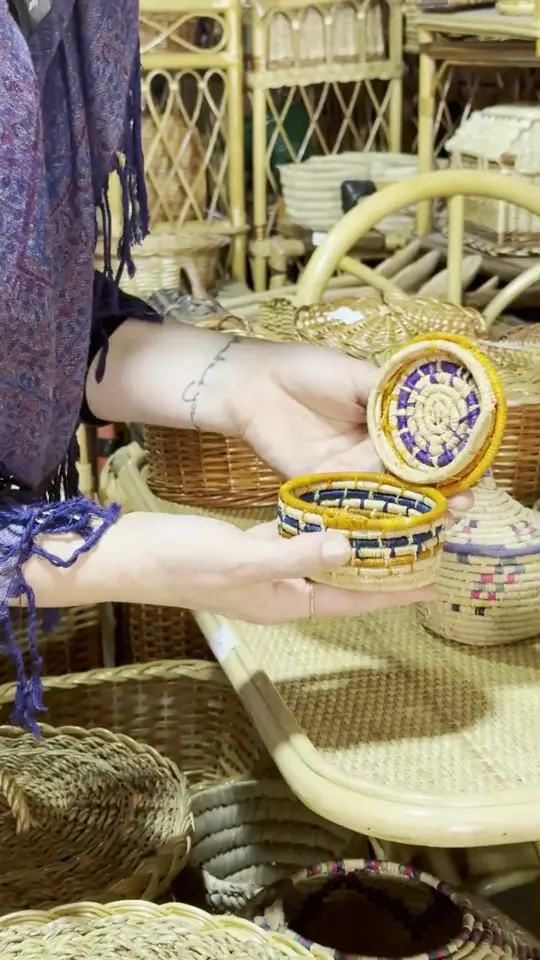
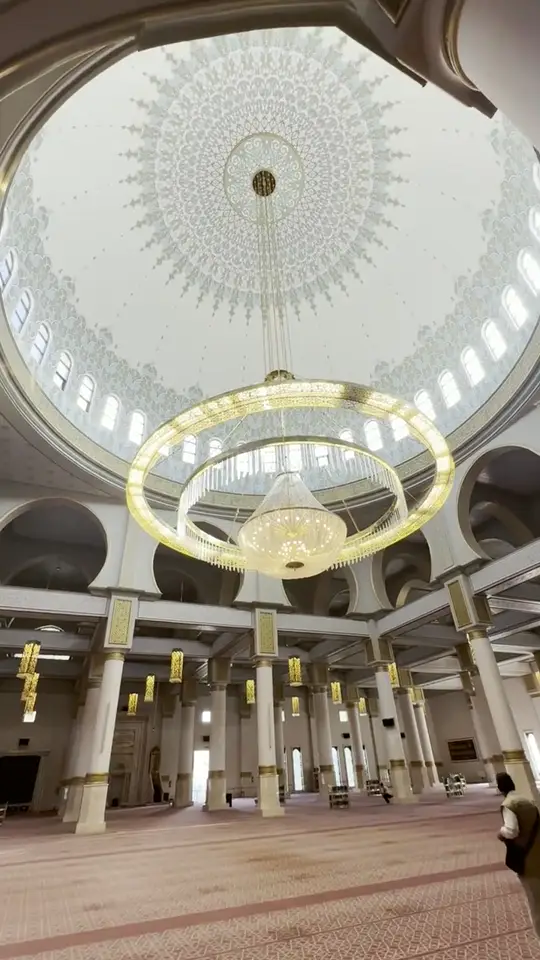
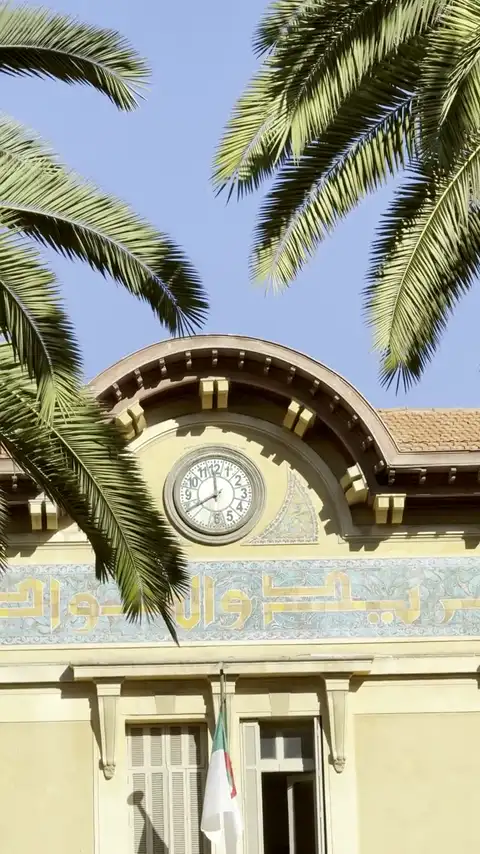
U1 · The crossing
Go far, slowly, off the beaten track — the journey before tourism was standardised.
Written & filmed from Algeria
On 2 August 2027, the Moon's shadow will reach Oran. Get to know the city before it does.
The journal written from Algeria — real footage, dossiers checked against their sources, corrected in the open.
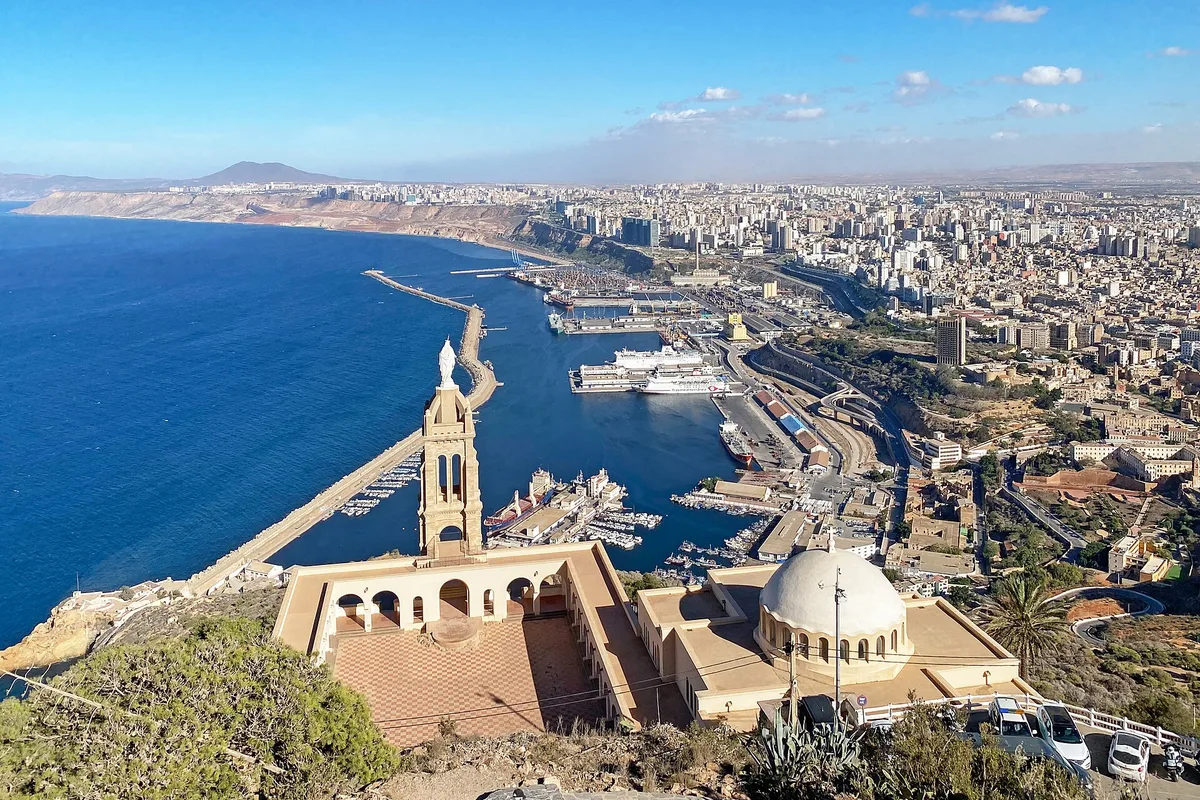
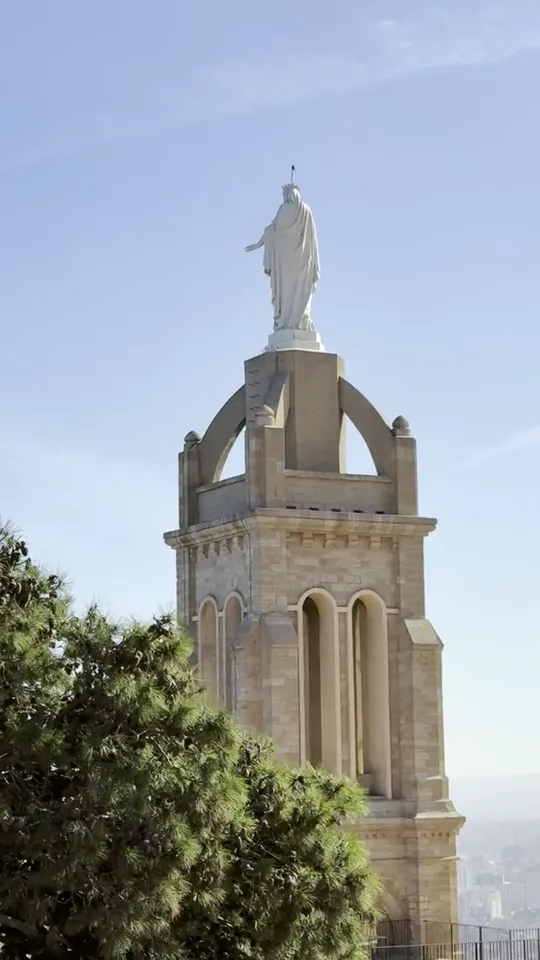
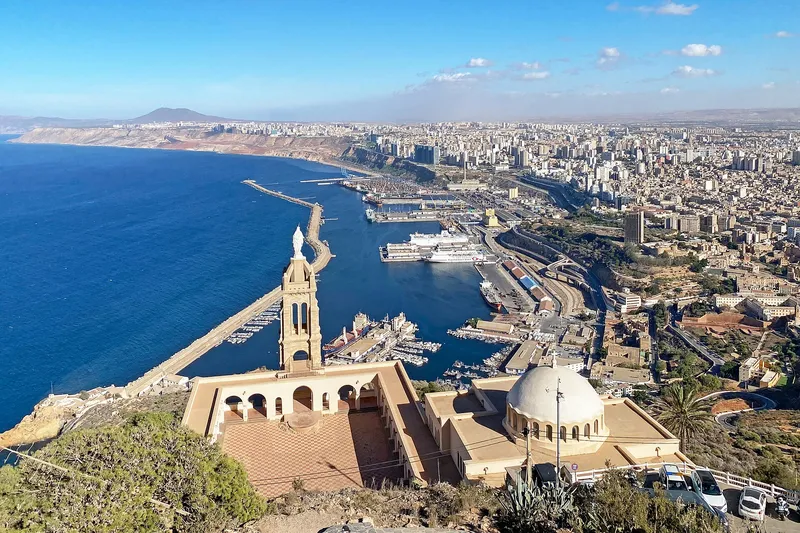
Santa Cruz, above the port of Oran — photographed 22 October 2025. Photo: Bernard Gagnon, CC BY 4.0. Film: Kati & Fateh.
ScrollYou are looking at
The film above is real: the chapel, the port, the bay the Moon's shadow will cross on 2 August 2027. The journal starts here — with the place, and with the people who filmed it.
Ask the journal
Search the fourteen dossiers — every answer is a dossier you can read, checked against its sources. Nothing here invents an answer.
The reels
Real footage only, filmed on the ground by the creators who collaborate with the page. Santa Cruz plays here; the others open the reel on Instagram.
Where to start
The journal is organised by intention, not by catalogue — six reading universes, the founder's editorial compass. They are hypotheses for how readers travel, not statistics about our readers.
U1 · The crossing
Go far, slowly, off the beaten track — the journey before tourism was standardised.
U2 · Culture, with consent
Enter living cultures as a guest: medinas, ksour and heritage read with the people who keep them.
U3 · The return
For the diaspora and the returning: arrive, recognise, reconnect — city by city.
U4 · Slow and verifiable
Fewer places, more time — and every claim checkable: dates, sources, corrections in the open.
U5 · Understand it yourself
No agency selling you a plan: the documents, the money, the rules — read them and decide yourself.
U6 · Expedition and solo
The far South on its own terms: permits, escorts, written confirmations — prepared, not improvised.
The journal
No paywall, no teaser cuts, no account to create — the whole journal is here, and every dossier is one tap away.
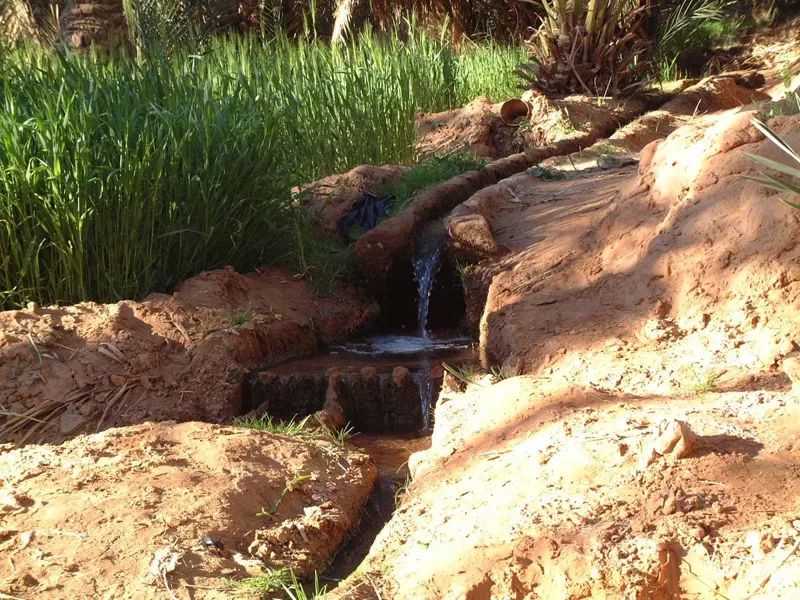
Sahara
Discover how Algeria's foggaras connect water, rights, maintenance and community — and why 'ancient irrigation' is an incomplete story.
Read the dossier →
Sahara & Sky
On Monday 2 August 2027 the Moon's shadow crosses northern Algeria. Oran gets 5 minutes 9 seconds of totality; Algiers gets only a partial eclipse. Where to stand, when it happens, and how to build the trip — from Algeria Splendors.
Read the dossier →
Guides
How the Algeria visa actually works: the consulate route for most travellers, arrival regularisation for organised South tours via approved agencies, and why there is no general Algerian e-visa. Checked November 2026.
Read the dossier →
The Casbah
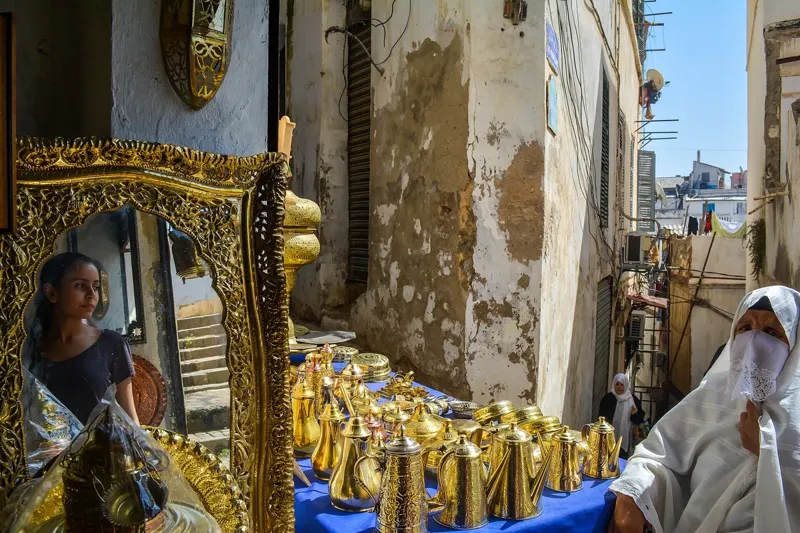
UNESCO calls the Casbah of Algiers a unique medina — citadel, mosques, Ottoman palaces and a deep-rooted community. It is also a living, residential city. Five ways to read it properly, from Algeria Splendors.
Read the dossier →
Guides
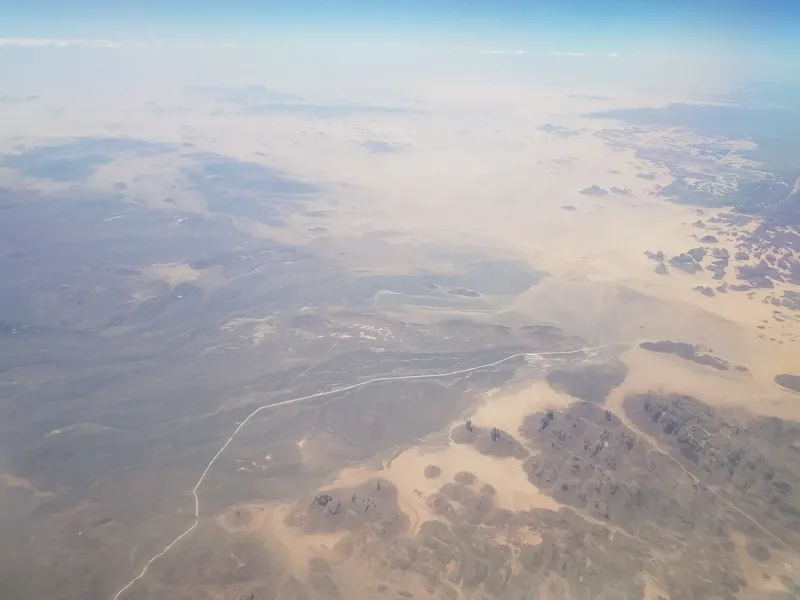
Where you can travel freely in Algeria's Sahara, where an agency guide is required, and where a police escort applies — from current overland sources and traveller reports, checked November 2026.
Read the dossier →
Guides
How money actually works in Algeria — the official Bank of Algeria rate and the parallel market explained, the cash rule, the official customs declaration link, exit receipts, and the real anatomy of a travel budget, checked 14 November 2026.
Read the dossier →
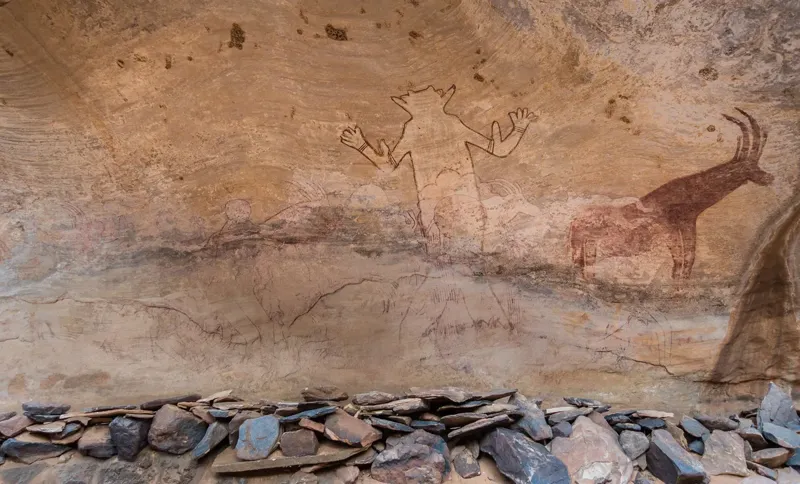
Sahara & Sky
More than 15,000 prehistoric paintings and engravings cover the Tassili n'Ajjer plateau above Djanet. What the art shows, how the trek works, what it demands — and what nobody can promise you.
Read the dossier →
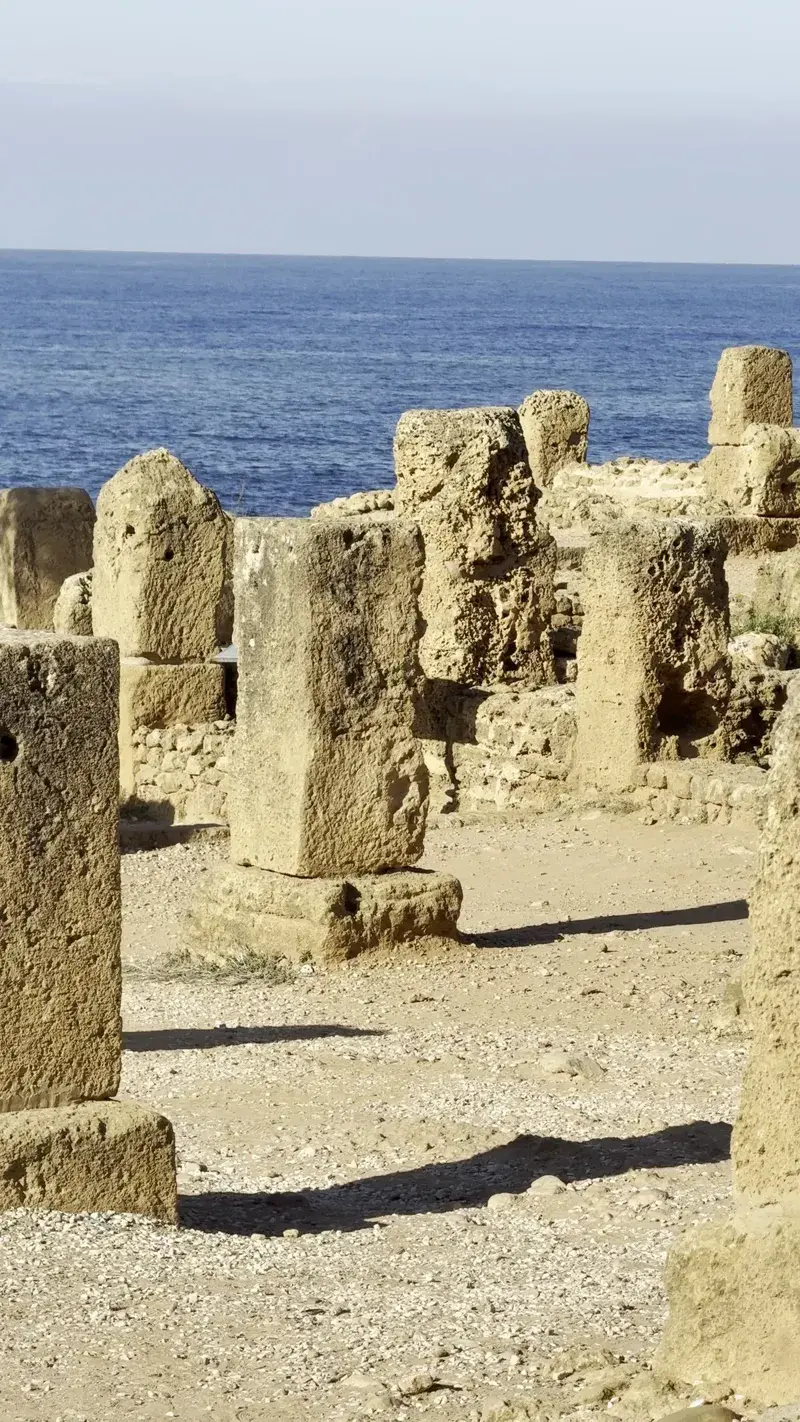
Guides
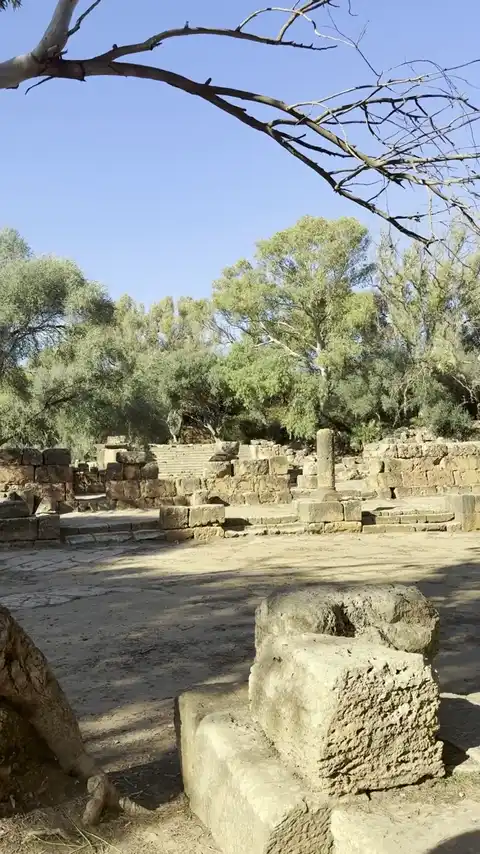
A complete Roman city, a mountain theatre, five desert ksour, a living medina and the Sahara's great rock-art plateau: Algeria's seven UNESCO sites carry none of the queues of their Mediterranean rivals. Here they are, honestly.
Read the dossier →
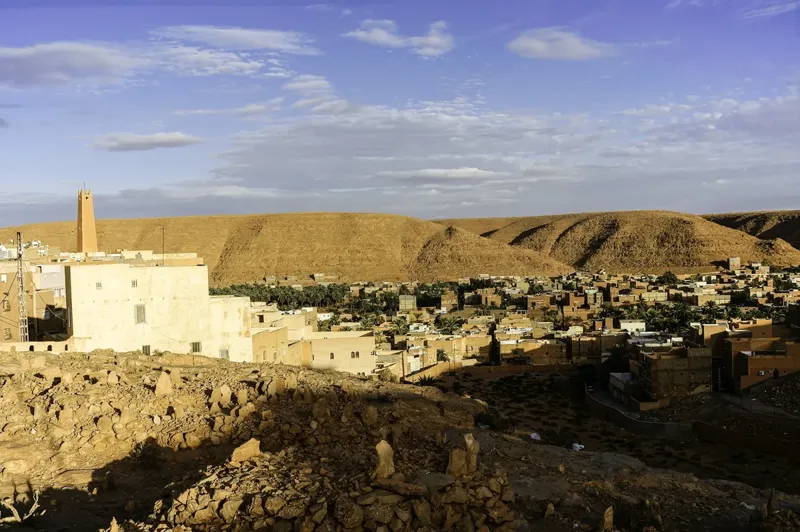
Sahara & Sky
Ghardaïa, Beni Isguen, El Atteuf, Bou Noura, Melika: the five fortified towns of the M'Zab, built between 1012 and 1350 and still governed by their founders' rules. Learn to read a ksar — then visit as the guest the valley expects.
Read the dossier →
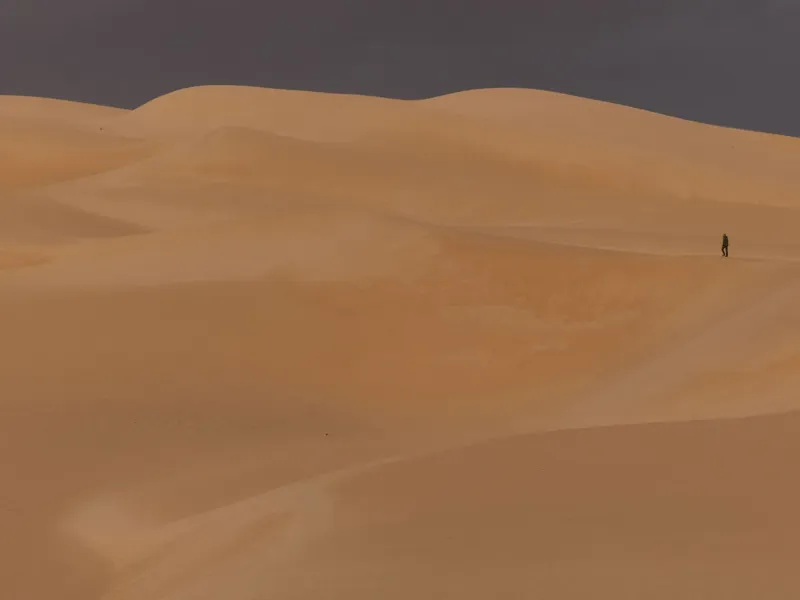
Sahara & Sky
Every Tassili trek begins in Djanet. How the permit chain works, what the oasis town offers while you organise — Erg Admer dunes, Essendilène canyon, the Crying Cow — and the questions to get answered in writing.
Read the dossier →
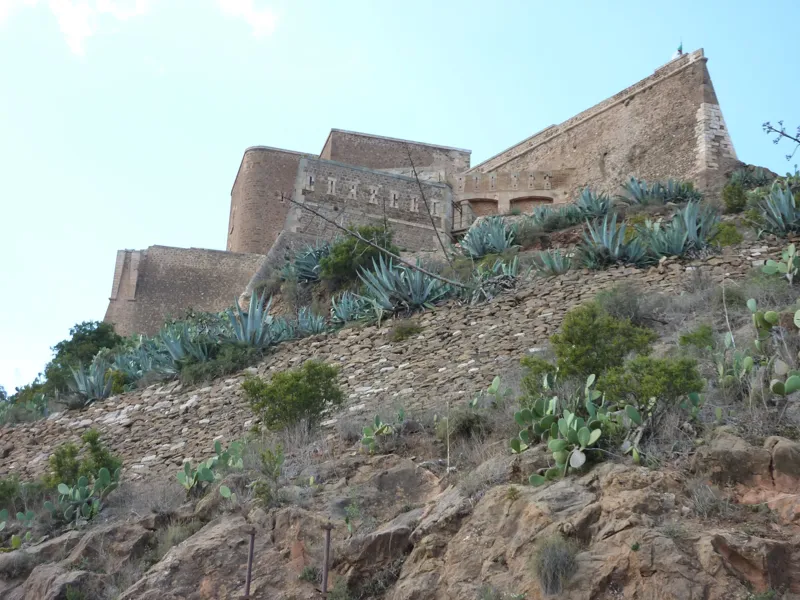
North & Cities
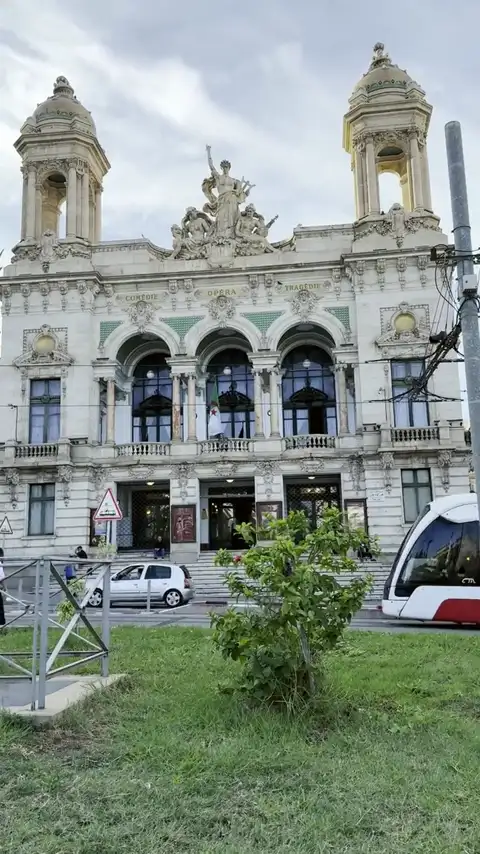
Thousands will come to Oran for five minutes of darkness on 2 August 2027. The other days belong to one of the Mediterranean's great layered cities: Spanish forts, an Ottoman palace, the birthplace of raï. How to read Oran, layer by layer.
Read the dossier →
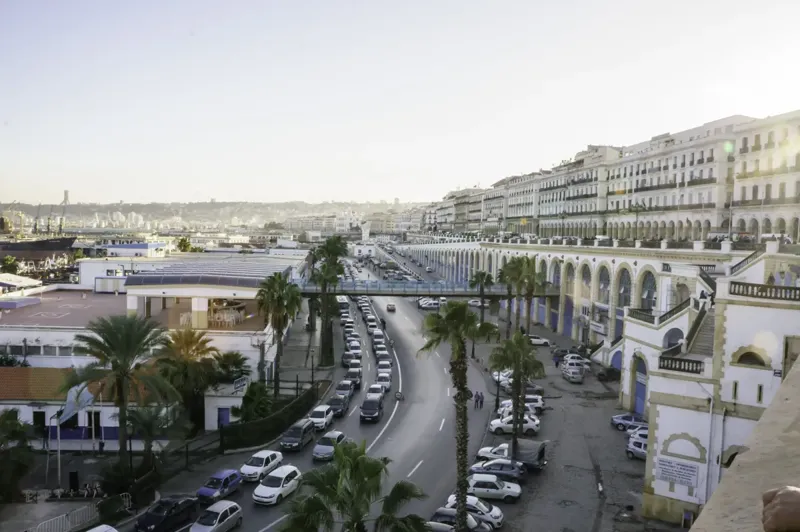
North & Cities
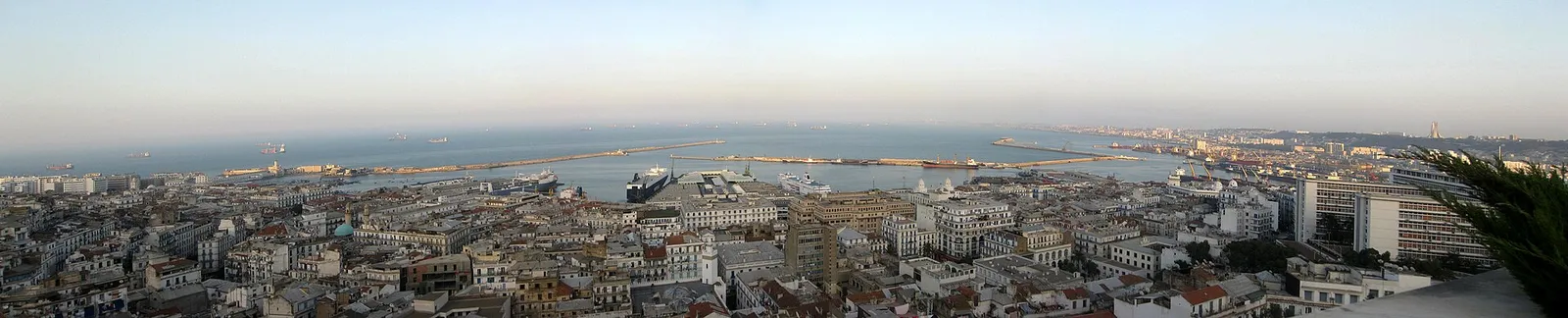
The first-48-hours guide to Algiers that the rest of our dossiers assume: arriving at Houari Boumediene airport, the metro and the tram, taxis and cash, the districts to sleep in — and how the white city unfolds once you stop being new.
Read the dossier →
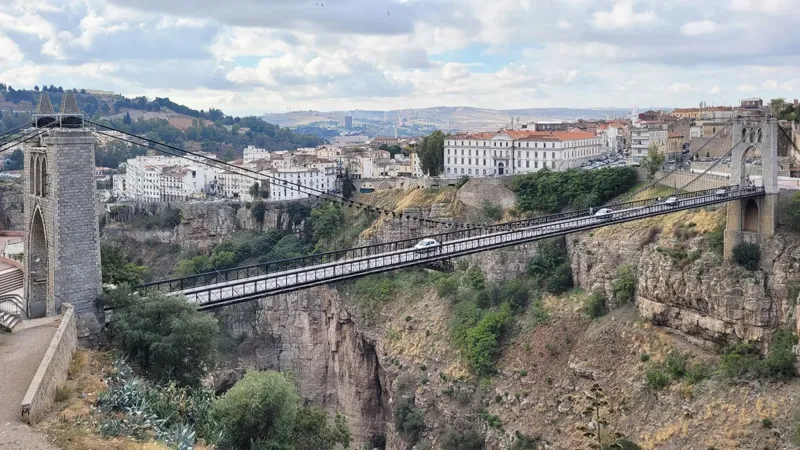
North & Cities
Constantine stands on a rock cut in two by the Rhumel gorge, and its eight bridges are not ornaments but arguments: each era built the crossing it deserved. A guide to the aerial city — Sidi M'Cid, El Kantara, the old town, the Ahmed Bey palace — and how to walk it.
Read the dossier →
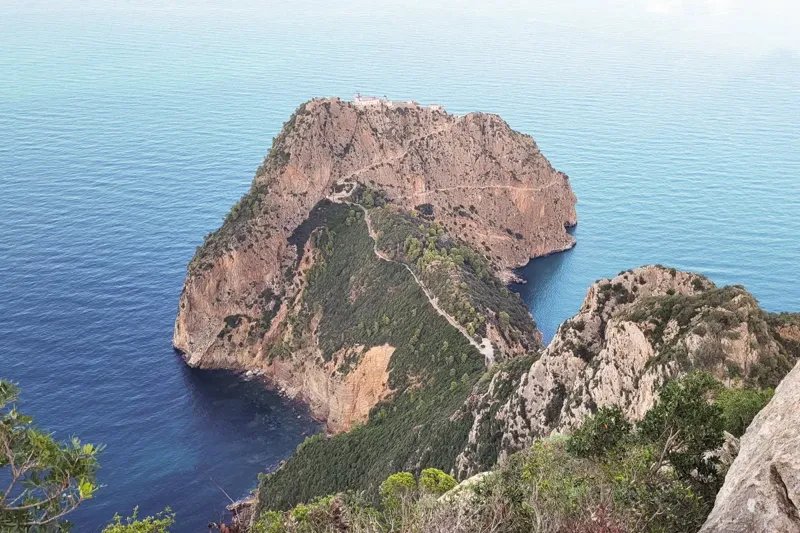
North & Cities
Béjaïa is the Mediterranean as Kabylie made it: a port under the Yemma Gouraya mountain, the lighthouse of Cap Carbon on one of the world's tallest sea cliffs, a Hammadid and Almohad past, and the Soummam valley running inland to the villages. A guide to the maritime capital of Kabylie.
Read the dossier →
Go further
Three questions, answered honestly. The result is not a form and not a product: it is the dossier that fits you, and why.
Take the quiz →Schematic map — not to scale. Every point is a dossier; touch one to go there, or open the journal's real map.
Open the real map →Finish a dossier and its stamp lands in your passport — kept on this device only, nothing is sent anywhere.
Open your passport →Index
The rendezvous
5 minutes 9 seconds of totality over Oran, from 09:51 — NASA's figures, carried by the journal's eclipse hub. Watch only with ISO 12312-2 eclipse glasses.
until totality over Oran — 2 August 2027